The Swat valley
A mountain refuge, more Pashtun than Pakistani. In Bahrain, we release the little fox that had been entrusted to us in Kabul.
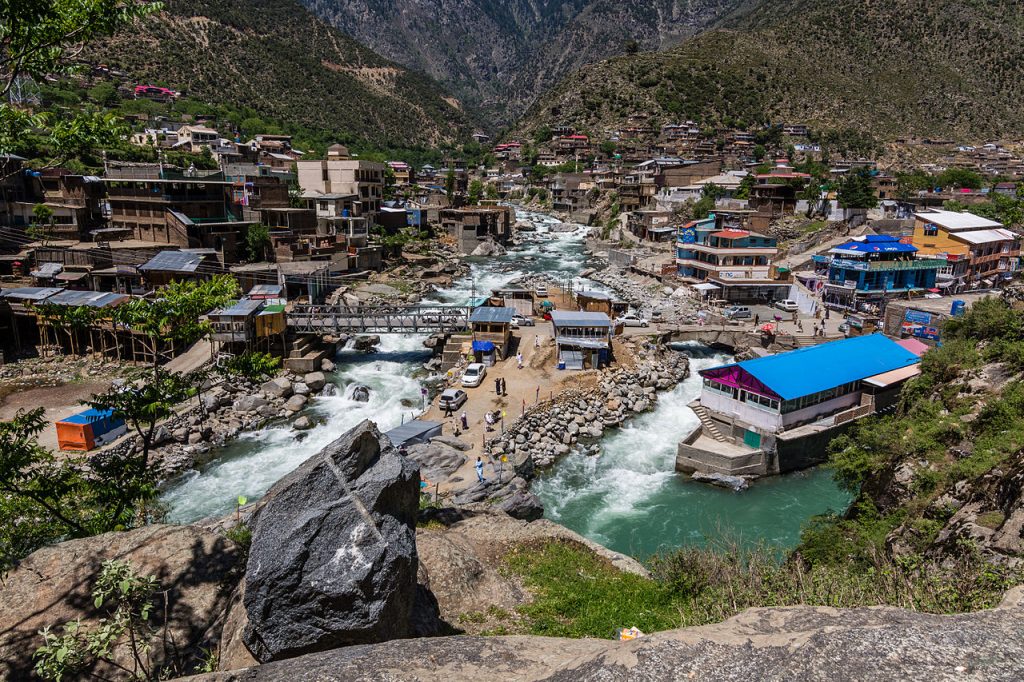
before heading to remote villages such as Kalam and Matiltan, where time seems to have stood still. In Matiltan (2,300 m above sea level), they rent a single room for a month and live to the rhythm of daily tasks (fetching water, cooking rice, smoking chiloms), torn between fascination with the alpine landscape and feverish delirium caused by parasites and malnutrition.
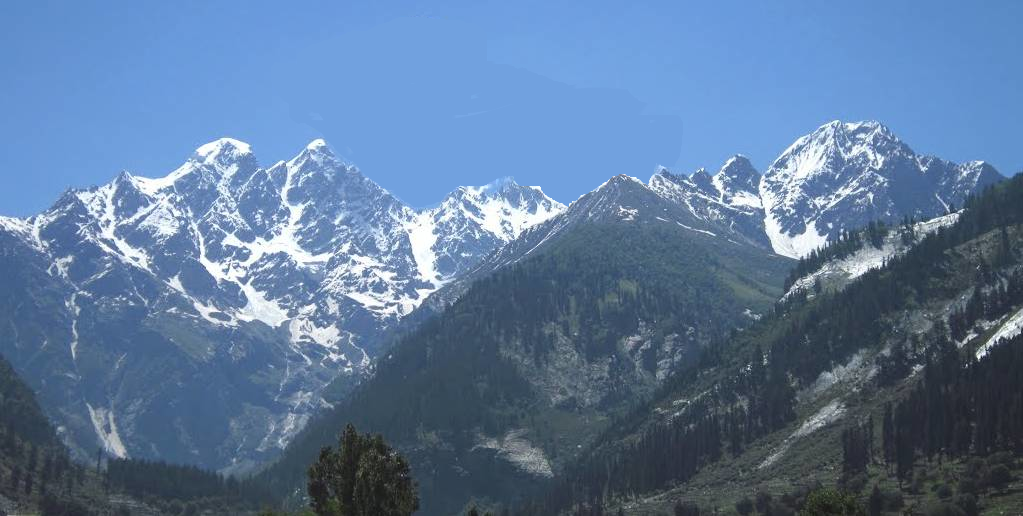
The days are marked by precise observations (flies, veiled women working in the fields) and metaphysical reflections inspired by Henry Miller, between the search for “peace of mind” and painful hallucinations. The arrival of other travelers (Swiss, Americans) marks the beginning of burgeoning tourism, which is perceived as a threat to this “lost paradise.”
The return to the lowlands (Bahrain, Mingora) is a shock: oppressive heat, Hindu sadhus passing through, and absurd incidents. The chapter ends with a carefree swim in a muddy river, a metaphor for lost innocence, and the theft of her traveler’s checks by an American junkie.
The text mixes poetry (quotes from Miller and Thoreau) and irony (traveling Bollywood cinemas, religious fanaticism) and underscores the ambivalence between wonder and disillusionment, while at the same time foreshadowing the rise of Islamic intolerance. The road to India, now inaccessible, turns into aimless wandering.