Herat, the serene
“Herat is a paradox, a city without houses or streets. The first impression might cause unease. For me, it was amazement…
It captivated me at first sight and never let go.
Every time I am asked about my trip…I answer:
‘The change of scenery began in Herat. Until then, it was more or less déjà vu.’…
The wonderful thing about Herat is that it is neither poor nor miserable in reality, even if a Western perspective sees only poverty and misery. The streets are made of clay, with clay sidewalks and clay gutters. The flat, single-story houses are made of clay, of mud bricks, with a roof of clay or branches.“
Jack Thieuloy ”En route vers l’Inde” (On the way to India)
Arrival in Afghanistan.
A temporal and cultural shock, an immersion in a medieval and hallucinogenic world.
In Islam Qala, the border marks a radical break: customs officials in rags, barren landscapes, and a surreal administration.
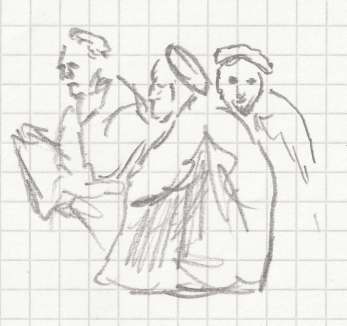
Herat, a quiet artisan town, contrasts with the west, as there is no loud modernity here. We adopt the local customs (traditional clothing, tea sweetened with candy, chilom made from sandalwood).
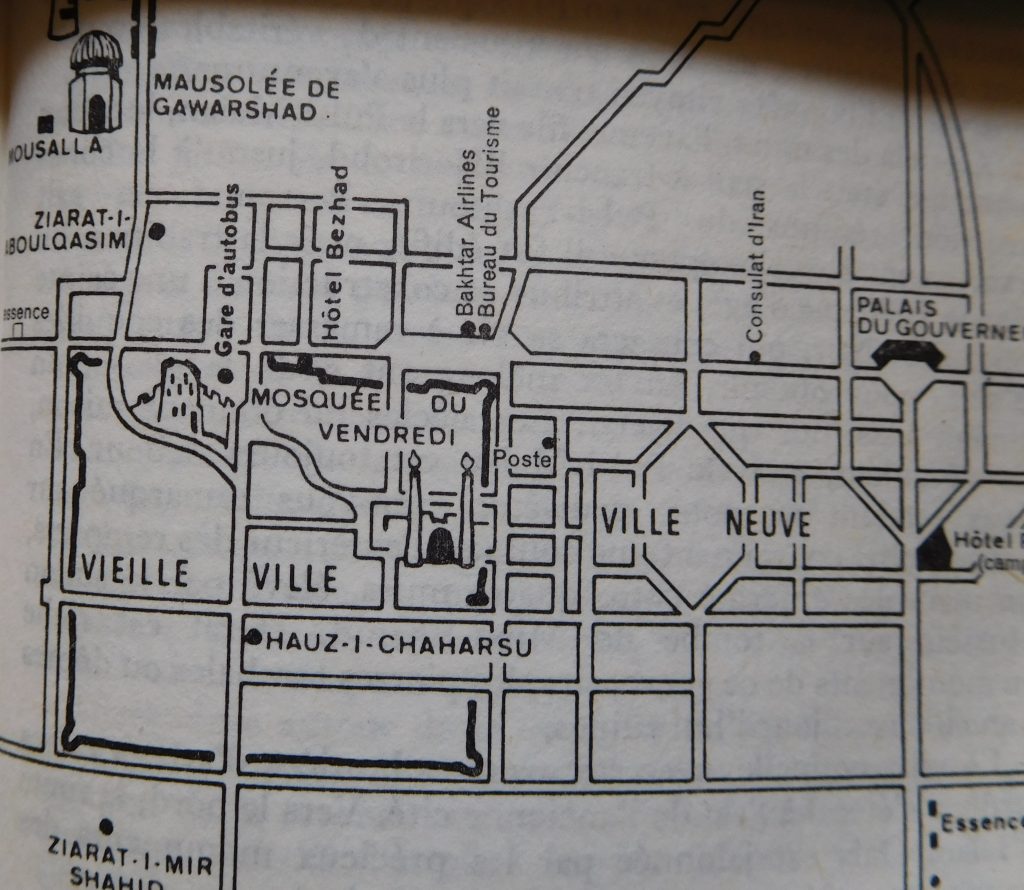

Afghan hashish (“Black Afghan”) becomes a means of spiritual liberation. The scenes at the bazaar, in repair shops, or the veiled women we observe from a rooftop (before we are driven away) reinforce the impression of a dreamlike world between One Thousand and One Nights and raw realism (flies on meat, poverty).


We spend the evening in a chaikana from another world.
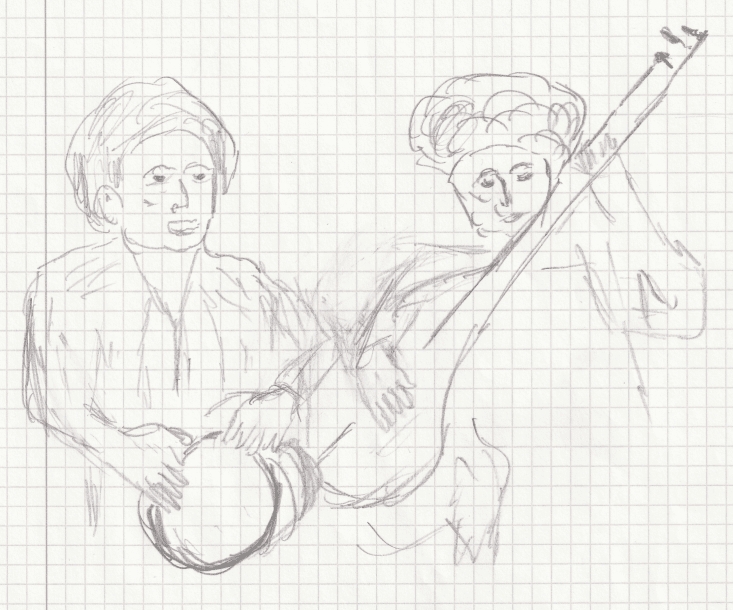

“The Afghans in the Chaikana, all stoned as is customary here, let their instruments explode in a hypnotic rhythm, the Bobol spins, the hookah spins, the dancers spin like dervishes, everything spins… Our lungs explode, saturated with this intoxicating smoke…”
An old Afghan, a great pothead before the gods, leads us through his shack, a shack from One Thousand and One Nights.”
Civilization is now far, far away.