Kabul
A legendary and devastating stop on the road to Kathmandu, where collective drug use and poverty coexist in a medieval setting. We stay in a basic hotel on Chicken Street, where Western freaks gather to smoke Afghan Black, a powerful hashish that alters one’s perception of time and reality. The city, divided between a modern center and artisanal alleyways, reveals extreme poverty: crippled beggars, children harassing tourists, and nomads camping in the dry bed of the Kabul River.
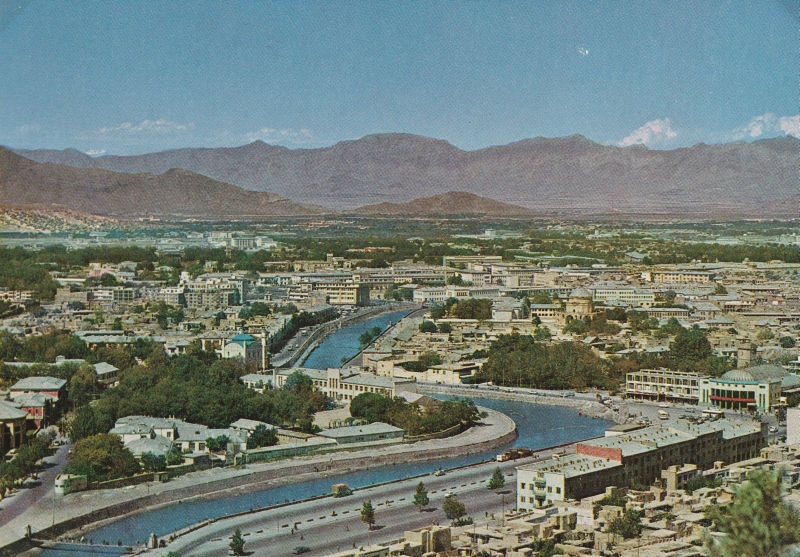
Clandestine drug dens, like the one discovered near the post office, offer intense hallucinogenic experiences, but the omnipresent presence of junkies—including Claude, a former traveling companion now addicted to heroin, and Estelle, a 16-year-old runaway on the path to self-destruction—plunges me into rebellious despair.

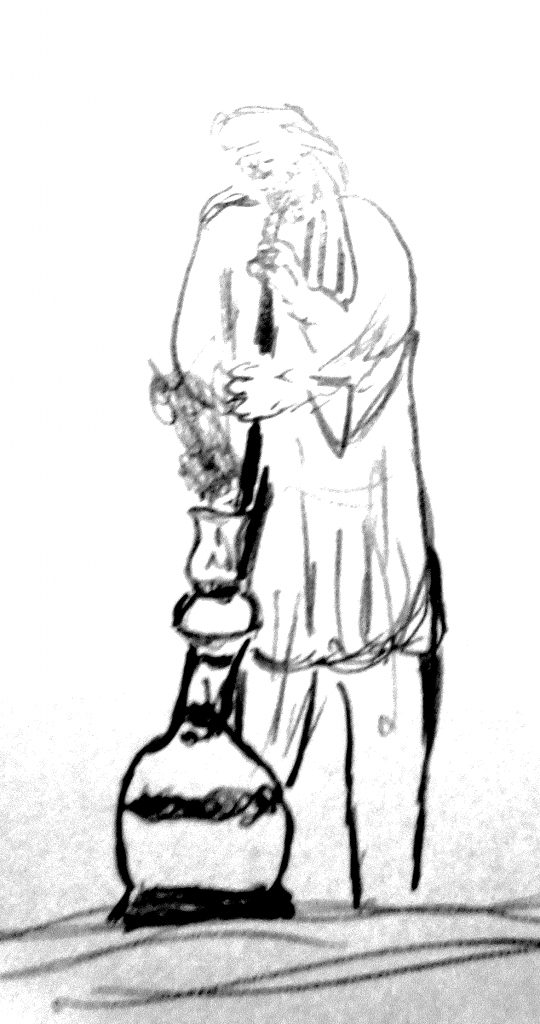
The scenes of collective drug use, with giant hookahs and hypnotic music, contrast with the horror of bodies ravaged by drugs, symbolizing the “collective suicide of a lost generation.”

The atmosphere becomes stifling. The streets, saturated with drug dealers and addicts in withdrawal, transform Kabul into a “mass grave” where the idealism of the early days gives way to impotent anger.
The departure for Bamiyan to see the Great Buddhas is an attempt to give meaning to our trip by going beyond the simple consumption of drugs.